Government
Peoplenomics: Putting People Back at the Heart of Britain’s Economy
September 26, 2026

April 16, 2026By: Team Dale
Britain’s energy system is a racket… and the Engie deal lays it bare.
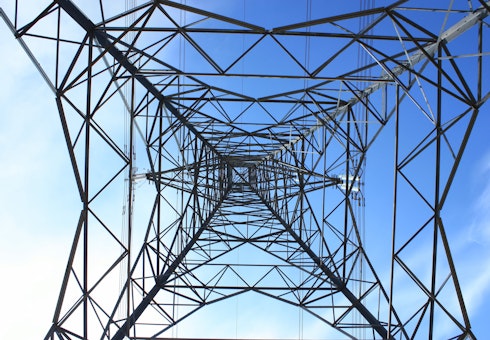
The French government is energy company Engie’s largest shareholder and, after Engie’s purchase of all the pylons, cables and substations in London and the south east, it’s now effectively responsible for keeping the lights on in the capital. And it’s set to make a killing doing so.
Based on the value of those assets, Engie appears to have overpaid by about 50%. In any normal market that would raise eyebrows. Instead, its share price jumped 7%. That gap between overpaying and being rewarded for it tells you everything you need to know… this isn’t a functioning market, it’s a guaranteed return machine.
Distribution network operators (DNOs), which is what Engie now is, make their money through the Regulated Asset Value model. Ofgem agrees what they can charge households to cover their costs and sets a permitted rate of return based on the value of the assets they own. The logic is simple… the more infrastructure a company owns, the more money it can take from our bills.
And we’re not talking small change. In 2022, DNOs made profit margins of 42.5%, the highest of any industry in the UK.
With Ofgem now signalling even higher returns to encourage investment, Engie has entered the market at exactly the right time. The more pylons and cables it builds, the more profit it can make. But that’s also where the problem lies. When profits are tied to expansion, maintaining what already exists becomes less of a priority.
That’s not theory, it’s exactly what’s been happening. Common Wealth found that DNOs have systematically underspent on infrastructure replacement by £490 million a year. That money is already built into the budgets agreed with Ofgem and taken from our bills… the work just isn’t being done.
Because Engie won’t have to compete with anyone in its region, its returns are effectively guaranteed. That makes these businesses incredibly attractive to lenders, who are happy to provide loans secured against the infrastructure itself. From there, the model becomes familiar. Just like the water companies have done, they can use borrowing to reward investors, while we pay the interest.
Ownership structures make this even easier. Large international consortiums can lend money internally, with one arm of the business loaning to another. Ofgem allows those interest payments to be treated as a legitimate cost, which means they’re recovered directly from our bills.
In the case of UK Power Networks, the company Engie has bought, it paid £481m in interest on loans from its shareholders between 2016 and 2021. That money is often routed through offshore structures and, as an added bonus, can reduce the tax these companies pay in the UK.
And then there’s the final twist. Ofgem allows DNOs to recover more in interest costs than they actually pay. So if Engie borrows at 2% but is allowed to charge as if it’s 4%, it simply pockets the difference.
That’s not a loophole… it’s the system working as designed.
Since 2021, inflation-linked adjustments have made things even worse. Because much of the underlying debt isn’t tied to inflation, companies have been able to inflate their returns regardless. Citizens Advice found that DNOs have received windfall profits of over £3.9bn from our bills.
No extra service. No extra investment. Just more money flowing out.
None of this was inevitable. It was a political choice… one made in the 1990s when the Conservatives privatised the UK’s utility networks. Infrastructure built and paid for by the public was handed over to private shareholders and foreign state-owned companies. Today, French taxpayers own a significant part of London’s power grid, while British bill payers fund the returns.
And we’re still repeating the same mistakes. The logic behind this model, that consumers carry the risk while investors take the reward, continues to shape decisions across the energy system. You can see it clearly in projects like Sizewell C: the future of UK energy or an unsustainable gamble?, where bill payers are expected to fund infrastructure long before it delivers any benefit.
But it doesn’t have to be this way.
We can fix the system without tearing it apart. Start by capping profits at a genuinely reasonable level, just as Ofgem already does for energy retailers. That’s the case set out in this report on capping profits and building energy independence. Once returns are capped, the incentive to overpay for assets disappears, and the grid stops being treated like a guaranteed cash machine.
At the same time, we need to deal with the wider distortion in the energy market. Even when renewable energy is cheap, gas still sets the price. That’s why breaking the link between gas and electricity prices matters. Until we fix that, consumers won’t see the full benefit of green energy.
Because this isn’t really about Engie… it’s about what our energy system is for.
Right now, it’s designed to extract value rather than deliver it. But that’s a choice, and it’s one we can change.
We just have to decide to do it…:)
Government
September 26, 2026
Campaign
September 18, 2026
Government
September 12, 2026
Energy Crisis
August 28, 2026